Room Redesign · by style · first redesign free
Scandinavian style, applied to your own room
Scandinavian design grew up in countries with short winter days, so everything in it is about making the most of light and keeping warm: pale wood and white walls to bounce daylight, wool and linen to soften, lamps everywhere for dark afternoons. It suits almost any room and almost any budget.
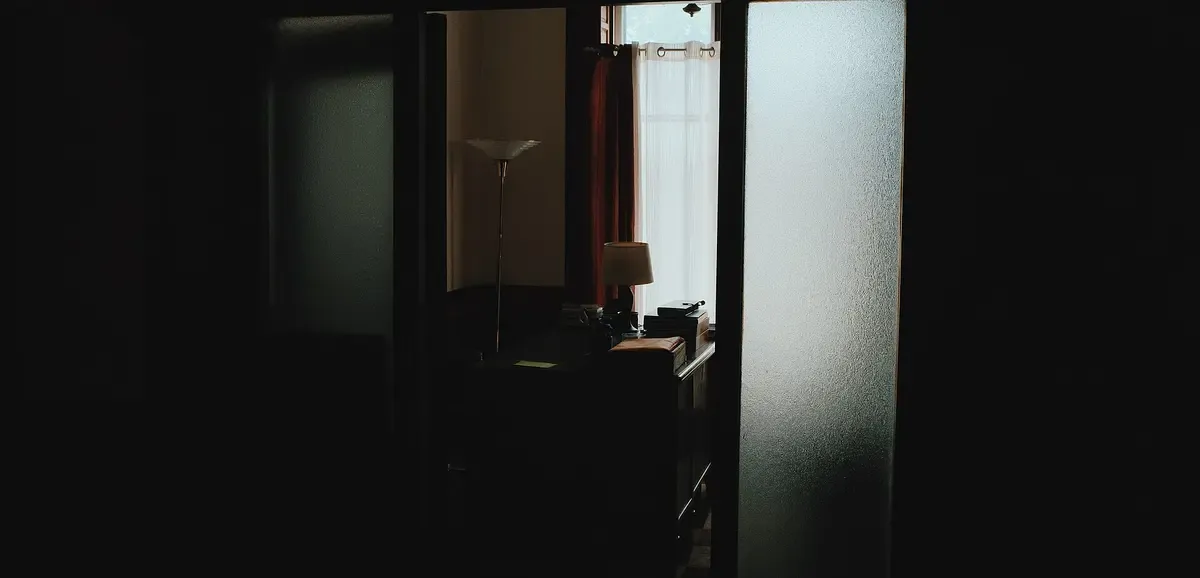
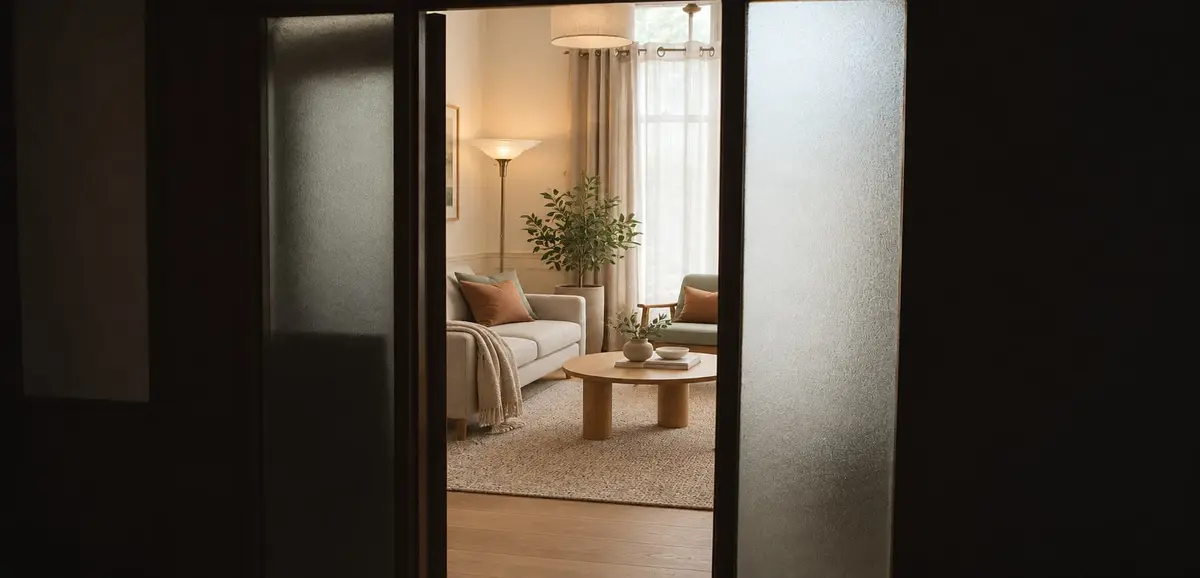
Asked: “Furnish this empty room as a cosy Scandinavian living room.” · Redesign · Scandinavian
Seen through the same doorway: the frosted doors, the window and the floor lamp position are kept, and the room behind is furnished.
Original photo by Stephen Caserta, CC0, via Wikimedia Commons. The “after” is an unretouched Kubikly redesign (AI-generated); not a customer photo.
What the Scandinavian preset asks for
Light oak or ash, white walls, soft wool and linen textiles, simple functional furniture, plants, cosy warm lamps.
Things you can ask for
- “Furnish this empty room as a cosy Scandinavian living room.”
- “Keep the bed and the wooden nightstand; white bedding and a sheepskin”
- “Light oak tones, white walls, a few plants and a paper pendant”
- “Scandi kitchen look: white fronts, an oak worktop and black handles”
- “Cosier for winter: more lamps, wool throws, candles on the windowsill”
What defines it
- Pale woods (oak, ash, birch, beech), usually natural or white-oiled.
- White or very light walls, with soft grey, sage and sand as secondary tones.
- Natural textiles: wool, linen, sheepskin and cotton, plain or simply striped.
- Simple, functional furniture with visible joinery and slim legs.
- Plants and a few ceramics rather than many decorative objects.
- Many small, warm lights: table lamps, a paper pendant, candles.
Where it goes wrong
The most common mistake is cold minimalism: white walls, white furniture, a bare floor and one ceiling light. Scandinavian rooms are pale but never sterile, and they need wood, texture and warm lamps to work. The opposite mistake is too much: a gallery wall, a dozen cushions and a ladder of blankets turn it into a shop display. Choose a few things and leave the floor visible.
Which rooms suit it
Living rooms and bedrooms are the natural fit. It also works in small rooms, because pale surfaces and leggy furniture make them look bigger, and in children's rooms, where a calm base copes well with colourful toys. North-facing rooms need warmer whites and more wood; a cool blue-white looks grey without direct sun.
The palette in practice
Walls in a warm white or off-white rather than brilliant white. Oak or ash in a natural or pale finish for the floor tone and the main furniture. Then two soft colours borrowed from outside, such as sage, dusty blue, sand or a muted terracotta, used in textiles and perhaps one painted piece. Black in small doses (a lamp base, a picture frame, a chair) gives a pale room definition and stops it washing out.
How to get the look on your photo
Photograph in daylight from a corner, with the floor in frame. Choose the Scandinavian preset and Redesign if your furniture is staying, and mark pieces in pale or natural wood Keep, since they usually fit. For an empty room, as in the example on this page, Redesign or Full transformation furnishes it. Revise in words: “warmer white”, “less grey”, “a plant by the window”.
Frequently asked
- What is the difference between Scandinavian and Japandi?
- Japandi blends Scandinavian with Japanese design: lower furniture, more muted earth tones, fewer objects. Scandinavian is lighter, cosier and more casual. Both are presets; try them as two options side by side.
- Will it work in a dark north-facing room?
- Yes; the style was made for low light. It cannot add a window, so ask for warmer whites and more lamps rather than pure white.
- Can I keep my dark wood furniture?
- Yes. Mark it Keep. One darker piece can anchor a pale room, though the result will look less classically Scandinavian.
Related
- Room redesignUpload a photo of your room and get a photoreal redesign of that same room: declutter, restyle, keep or replace furniture. Windows and doors stay put. First one free.
- JapandiJapandi Room Redesign from a Photo: calm, low and natural
- Living roomAI Living Room Redesign from a Photo: a new look for the room you have
- Small roomSmall Room Redesign from a Photo: make a small room look bigger
- MinimalistMinimalist Room Redesign from a Photo: fewer things, more room